
Destiny’s Story
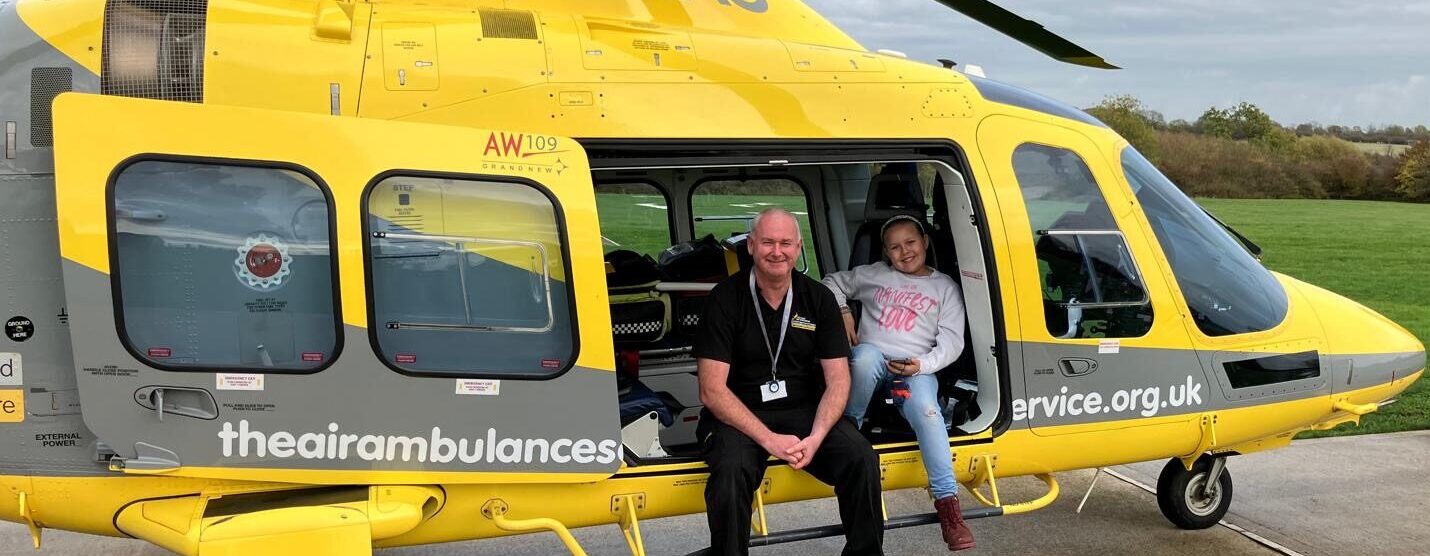
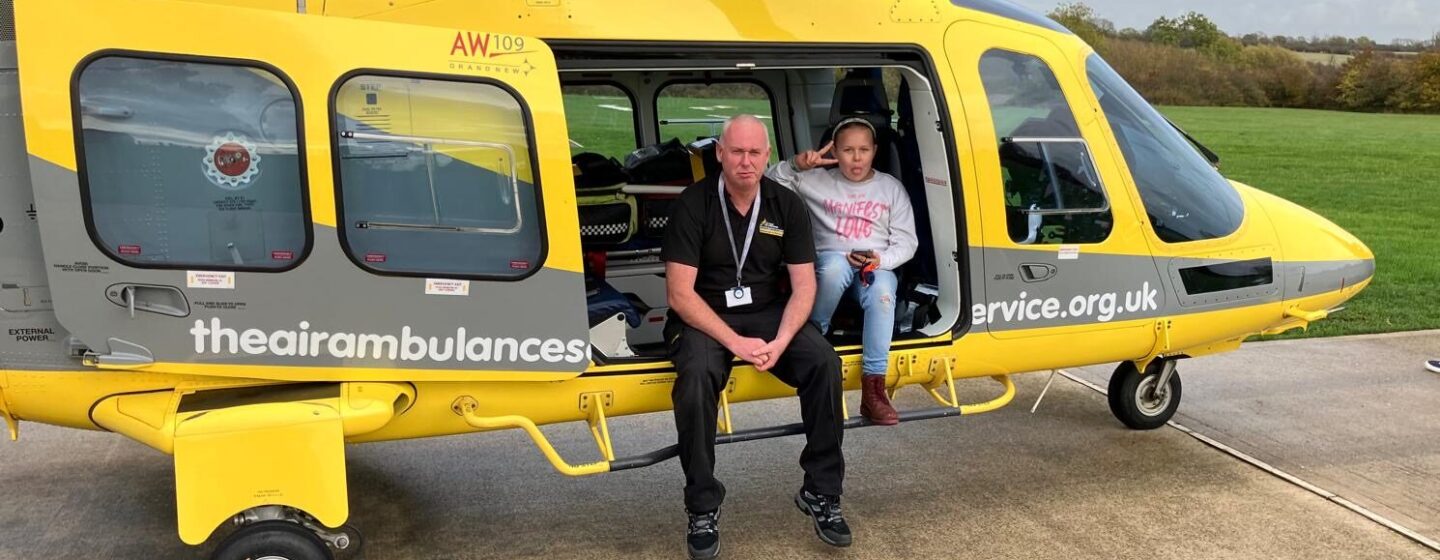
Seeing your child loaded into a helicopter is terrifying. But the crew were incredible with both of us.
Ten-year-old Destiny Louise Whitbread isn’t known for slow mornings. On the bank holiday of 25 August 2025, while most of Rothwell was still waking up, she was already out on her bike with a friend at the estate’s basketball court. It was meant to be a simple, fun ride to end the long weekend.
But as Destiny looped around the court, she took a turn too sharply. Her bike skidded and she fell, the handlebar piercing her leg “like an ice-cream scoop,” she later said. Her scream echoed across the court, bringing nearby dog walkers rushing over to call for help.
Despite the pain, Destiny managed to phone her dad, who sprinted from home. “She was trying so hard to be brave, but she couldn’t move. I could see the pain all over her face,” he recalled.
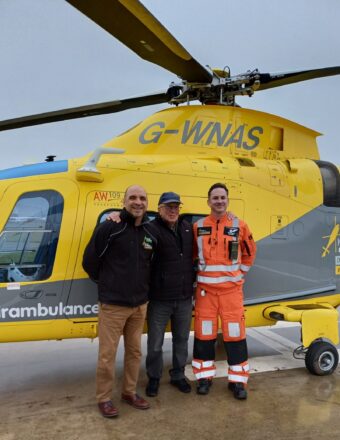
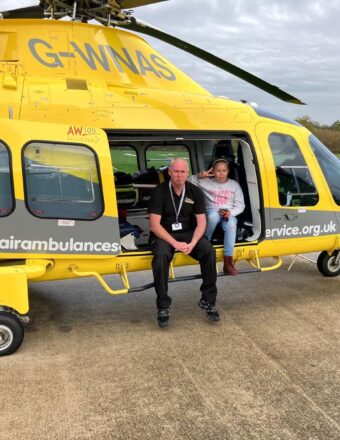
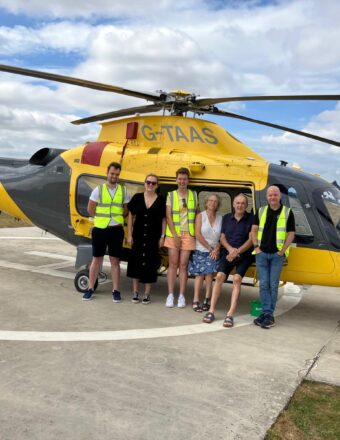
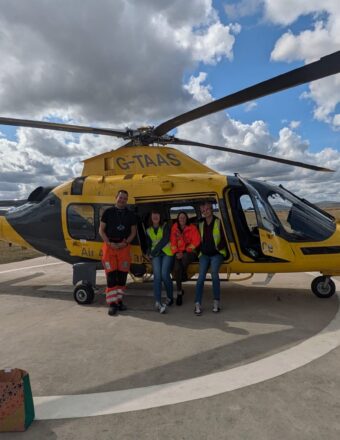
When the ambulance call handler warned of a two-hour wait, worry grew. A paramedic quickly arranged a FaceTime assessment, and the seriousness of the injury became clear. Moments later, the quiet court filled with flashing lights as a land ambulance and fire engine arrived – followed by the unmistakable sound of rotor blades overhead as The Air Ambulance Service (TAAS) touched down.
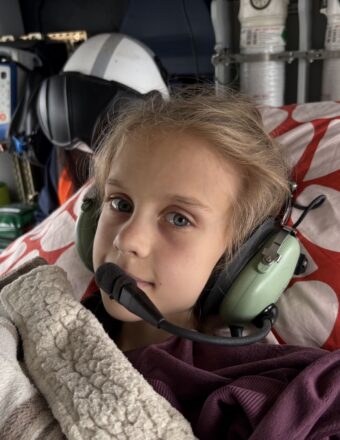
The Doctor and Critical Care Paramedic administered pain relief and morphine before carefully removing the embedded handlebar. Even then, Destiny’s bright personality shone through. “The morphine made her really giggly – she couldn’t stop laughing in the helicopter,” her dad said.
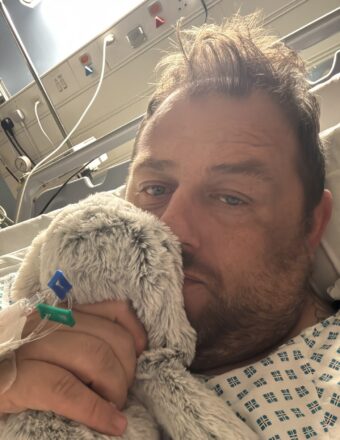
He, however, wasn’t feeling quite as relaxed. “Seeing your child loaded into a helicopter is terrifying. But the crew were incredible with both of us,” he shared.
The helicopter flew Destiny to a football field near Nottingham’s Queen’s Medical Centre in just 14 minutes. A waiting land ambulance took her the final short distance to the Children’s Accident & Emergency department. Incredibly, the handlebar had narrowly missed a major artery, with damage limited to muscle tissue.
Destiny spent three nights in hospital as her wound was cleaned and stitched. A later skin graft failed, requiring a VAC (vacuum-assisted closure) dressing before a second graft succeeded.
Back home, recovery was steady but determined. Destiny used crutches for weeks, and her dad set up a bed downstairs to make things easier. She moisturised her healing leg three times a day, completed physiotherapy exercises, and gradually grew stronger.
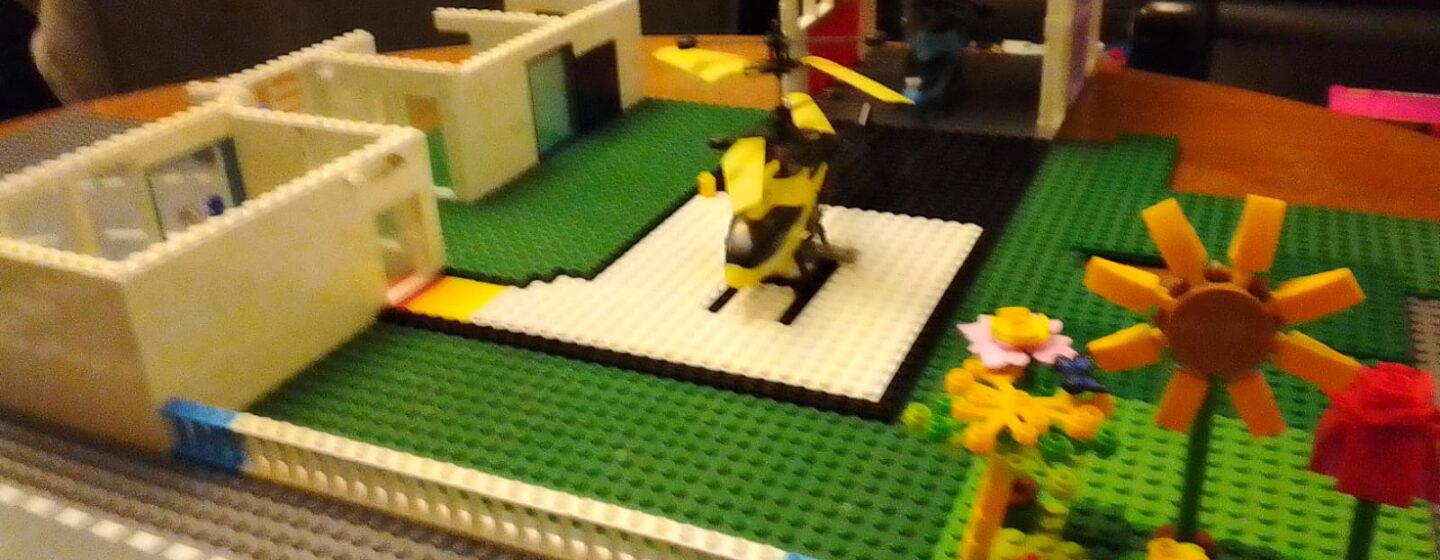
Today, Destiny has been discharged from plastic surgery and is back to being her bubbly, boisterous self. She has returned to school for her final year of primary school and is once again enjoying drawing, building Lego – including a bank, police station and even a heliport – and spending time with her black-and-white cat, Splodge.
Her classmates also showed their support by raising £235.66 for TAAS. “Our living room was covered in coins for days,” her dad exclaimed. “But it was so worth it. We just wanted to say thank you.”
Destiny and her dad remain deeply grateful for the crew who arrived so quickly, worked so calmly, and helped Destiny when she needed them most.

We’d love to hear your story
We love hearing from our patients and their families.