
Stephen G’s Story
I’m immensely grateful to The Air Ambulance Service that continues to support so many of us when we need help most.
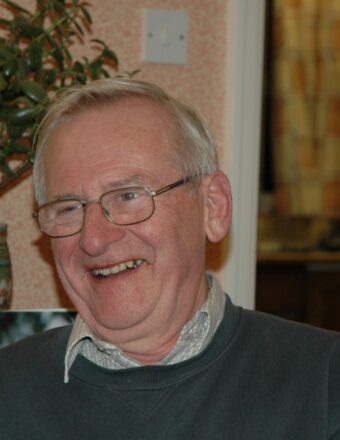
Stephen Grant enjoys the simpler, more peaceful things in life. Gardening, reading non-fiction books and autobiographies, spending time with his wife, and taking gentle walks – these are the things that make up his days. But that wasn’t always the case. On 11 December 2023, just yards from his front door, his life took an unexpected and terrifying turn.
After a routine trip running errands in Brackley town centre, Stephen was making his short journey back home when he suffered a cardiac arrest. His heart stopped, sending him to the ground and leaving him unresponsive.
Luckily, he wasn’t alone. A member of the public immediately began CPR while others went to retrieve a nearby defibrillator. Within minutes, emergency services were on their way.
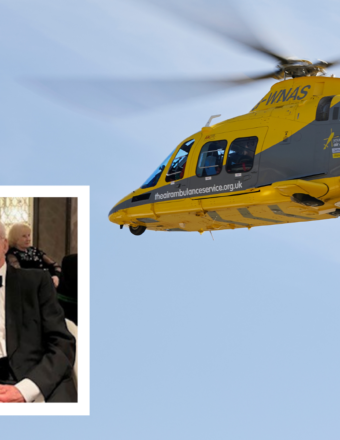
The Air Ambulance Service (TAAS) was despatched alongside a land ambulance. The team took over advanced life support, administering medication, and delivering repeated defibrillation shocks in an effort to restart Stephen’s heart. For more than 30 minutes, the crew worked persistently to restore a steady heartbeat.
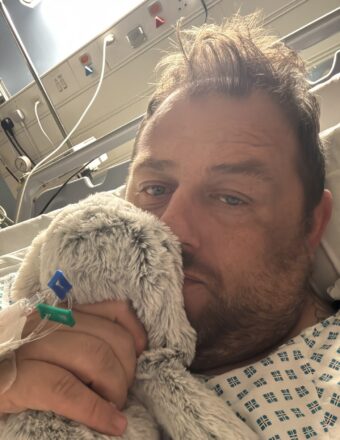
Once his condition was stabilised, he was transported to John Radcliffe Hospital. There, Stephen spent several weeks recovering, with his wife at his bedside and little memory of the events. During his stay, he was fitted with an internal device designed to regulate dangerous heart rhythms. He was discharged on 23 December, just in time for Christmas, although the festive period passed in a blur as he continued his recovery at home.
Just weeks later, Stephen faced another serious challenge. He suffered a Ventricular Tachycardia (VT) storm and received multiple shocks from his implanted defibrillator to sustain a regular heartbeat. He was taken to Horton Hospital in Banbury, then transferred to John Radcliffe Hospital for treatment and he has remained well since.
Over the following months, the 69-year-old focused on rebuilding his life. He completed six weeks of cardiac rehabilitation and received psychological support to help him regain his confidence after the traumatic experience.
“At first, I was very anxious,” he shared. “I had a lot of sleepless nights and didn’t really want to leave the house on my own. But gradually those sleepless nights turned into good nights, and I started going out and enjoying life again.”
The retired librarian has since embraced a different pace of life, taking things more slowly and appreciating the small, everyday moments. As part of his recovery, he challenged himself to complete a charity walking challenge set by British Heart Foundation, covering 50 miles in four weeks. He now regularly walks to support his heart health.
Reflecting on the care he received, Stephen said: “You know that they’re there, but you never think you’ll need them. Without them, I wouldn’t be here. I’m immensely grateful to The Air Ambulance Service that continues to support so many of us when we need help most.”
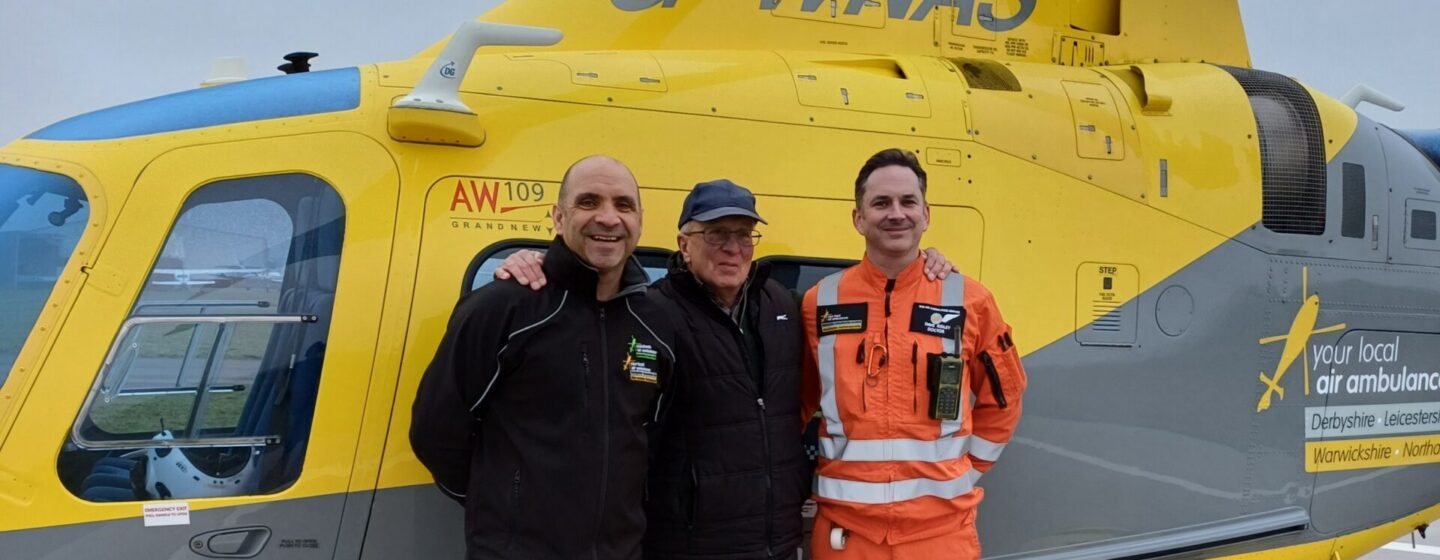
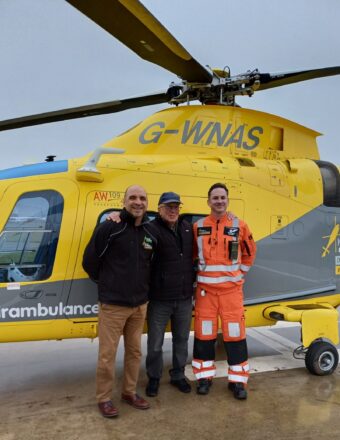
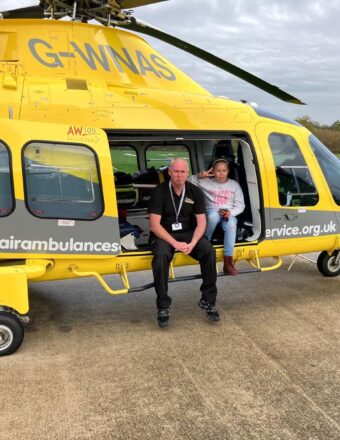
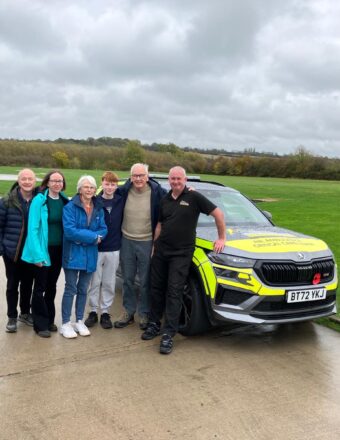
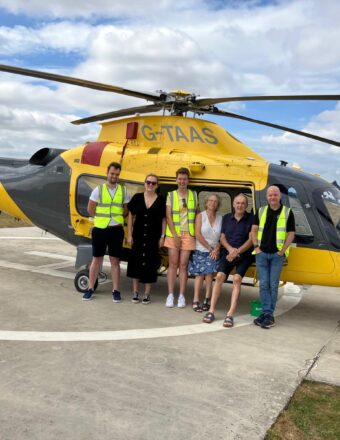
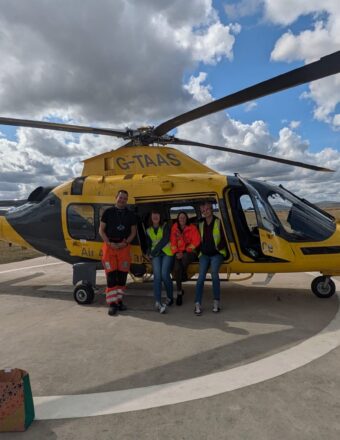
A year after his incident, Stephen had the chance to visit the service’s base and meet the crew who helped save his life. The visit left a lasting impression and shortly afterwards, an encounter with a TAAS volunteer inspired him to give back. He joined the charity’s lottery to help ensure that The Air Ambulance Service can continue to provide vital support to others in need.

We’d love to hear your story
We love hearing from our patients and their families.