A Day in the Life of an Airdesk Coordinator
Our bases provide nationwide coverage for our 365-day service. However, unlike The Air Ambulance Service’s HEMS (Helicopter Emergency Medical Services) operations, our crews are not dispatched by NHS ambulance service controllers. Instead, our service co-ordinates its own response to requests for service.
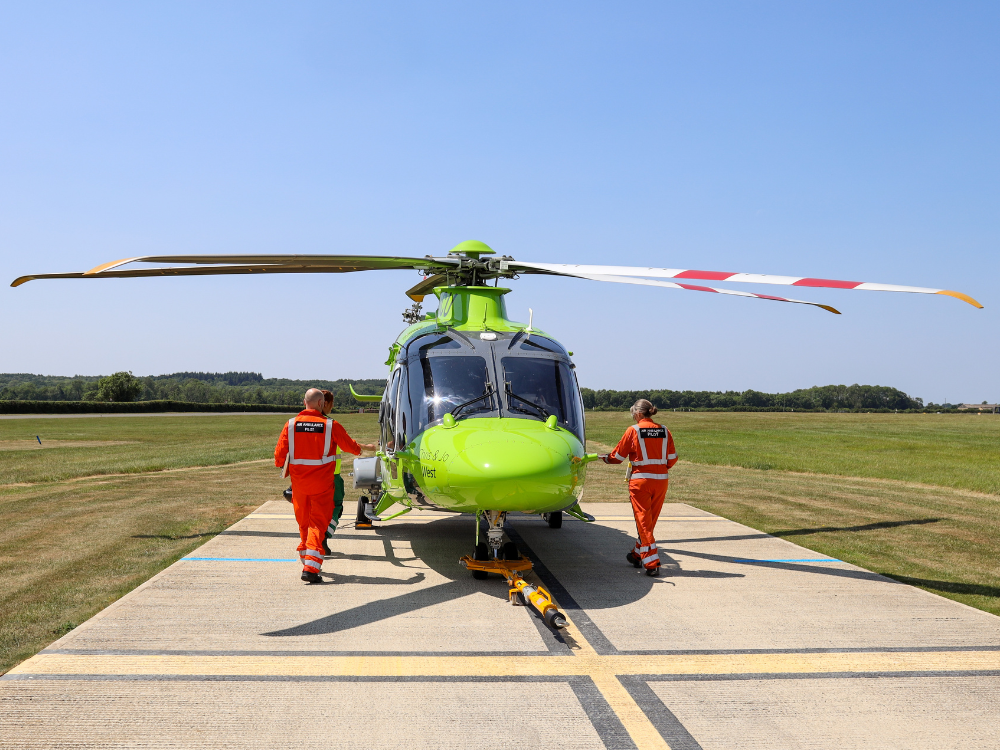
The National Children’s Air Ambulance operates from two airbases: London Oxford Airport in the south and Retford Gamston Airport in the north. Together, they support nationwide coverage for a service that operates 365 days a year. Our small, dedicated team provides cover from 07:00–22:00 every day, including periods of lone working.
Our responsibility is to coordinate missions from the initial request through to their safe conclusion. That means helping patients and NHS clinical partner teams reach the specialist care they need, while also making sure our aircrews can return safely to base. By keeping delays to a minimum, we can offer little patients life-changing transfer times compared with long journeys by road.
From the moment a call comes in, every minute matters. We gather all the information needed, select and dispatch the most appropriate aircrew, and support the crew as they begin planning the mission. At the same time, the airdesk contacts the requested helicopter landing sites and communicates with every team and organisation involved. Before departure, we complete a full briefing with the aircrew so everyone has the latest information.
Once the aircraft is in the air, our work continues. We maintain communication, monitor the mission closely and solve problems as they emerge. Changing weather, pilot duty limits and possible diversions for higher-priority HEMS flights can all affect a plan. Some landing sites can be used at night, while others are daylight-only, so timings must be tracked carefully and protocols followed without acting too early or too late.
Although the role is desk-based, a single mission can last up to 10 hours. Afterwards, we gather NHS feedback, debrief the crew, analyse the time saved and keep landing-site information up to date. Each mission supports a family during an incredibly difficult time, making our role both a significant responsibility and a genuine privilege.